Your diagnosis is spot on. The tension ripping through the Ghanaian tech ecosystem over the National Information Technology Authority (NITA) Bill highlights a recurring blind spot in emerging market policy: trying to police a fast-moving, borderless knowledge economy using structural frameworks built for 20th-century physical monopolies.
When bureaucracy tries to force-fit “sanity” into the digital economy, it often builds walls instead of rails.
The Architecture of Constraint: Breaking Down Ghana’s NITA Bill
The details causing panic across the Accra-Kumasi tech corridors are not just administrative hurdles; they fundamentally challenge the informal, merit-driven foundation of modern software engineering.
-
The Section 46 Gatekeeper: The provision stating that a person cannot be legally appointed as an ICT professional in any public or private institution unless certified directly by NITA is a massive structural bottleneck. By attempting to standardize an entire ecosystem—ranging from cloud core infrastructure architects to self-taught junior developers or UI designers—the bill shifts technology access from a global skill-verification model to local bureaucratic gatekeeping.
-
The 1% Fiscal Drag: A 1% levy on the gross revenues of all operating ICT businesses acts as a heavy flat tax on early-stage margins. For thin-margin startups or pre-seed operations trying to survive inflation and currency volatility, taxing top-line revenue rather than net profit severely dries up early runway.
-
M&A and Structural Controls: Granting a state authority veto power over technology company mergers, acquisitions, and ownership transitions introduces major friction into the startup exit lifecycle. Venture capital seeks frictionless liquid pathways; requiring regulatory sign-offs for pivots, cross-border restructurings, or secondary sales acts as an immediate red flag for foreign direct investment.
The Parallel Playbook: Did Nigeria’s Heavy-Handed Approach Work?
To answer your question directly: No, it failed completely.
In 2021, Nigeria’s National Information Technology Development Agency (NITDA) introduced a draft bill that mirrored this exact regulatory mindset. It proposed a tiered licensing regime, steep corporate fees, and harsh criminal sanctions (including direct prison sentences for tech executives) for non-compliance.
The consequences of that heavy-handed approach offer a clear warning for Ghana:
-
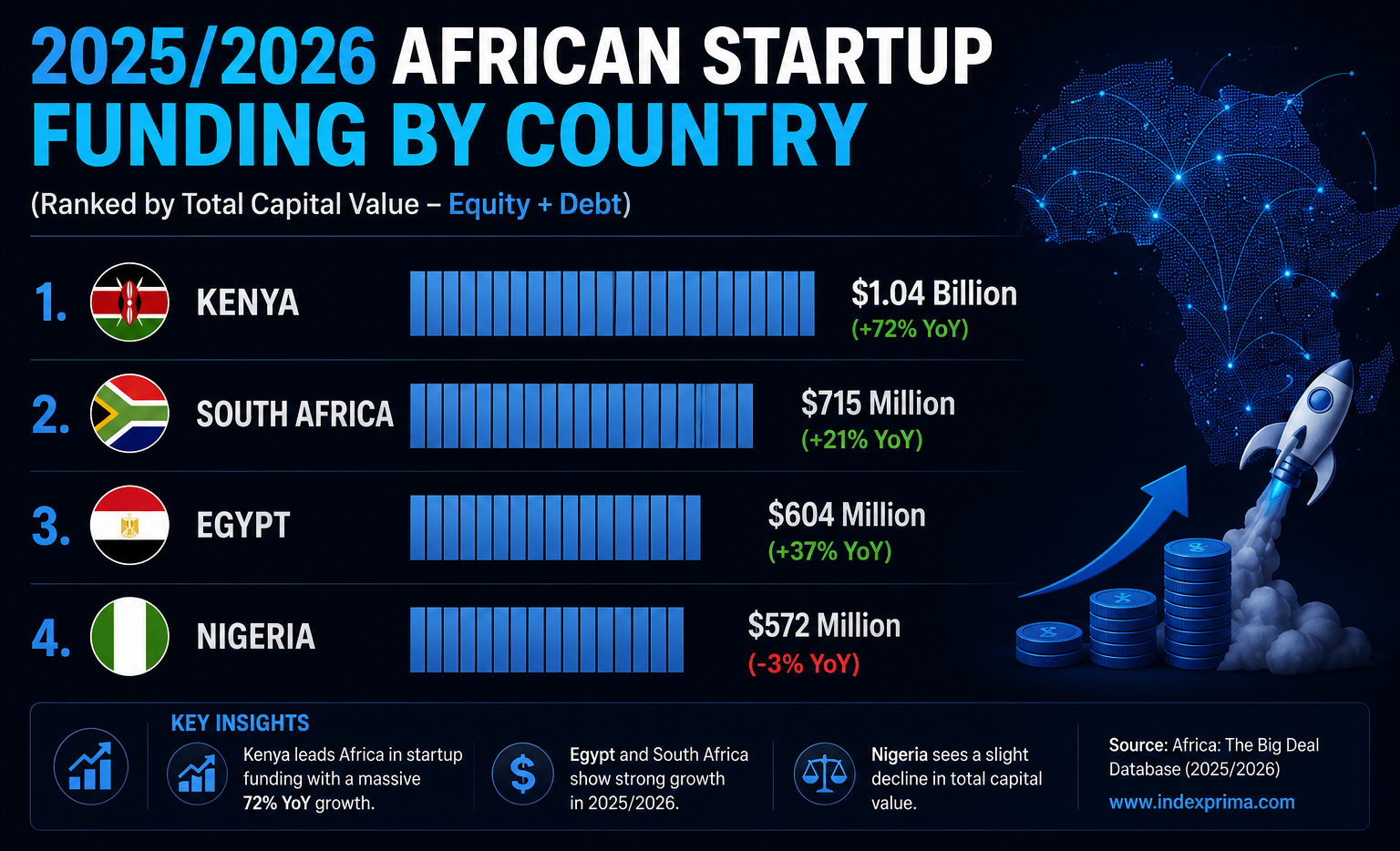
Widespread Industry Panic: Instead of building a compliant market, the 2021 NITDA bill shattered regulatory trust. It created instant friction between the state and the tech sector, resulting in capital flight as foreign venture capital firms adjusted their risk premiums or demanded that Nigerian founders flip their corporate holdings offshore to Delaware or London immediately.
-
The Inevitable Pivot: Nigeria quickly realized that trying to police code compilation and infrastructure deployment like a traditional civil service pipeline was unworkable. The pushback forced a major policy pivot. The heavy-handed NITDA bill was sidelined in favor of the Nigeria Startup Act (NSA). The NSA flipped the entire regulatory script—shifting from top-down enforcement to ecosystem enablement by providing clear tax holidays, intellectual property protections, automated customs clearances, and dedicated regulatory sandboxes.
The Macro Incoherence: Gatekeeping vs. Scale
The central contradiction of the NITA Bill is the gap between its stated goals and operational reality. You cannot run aggressive campaigns to build tech talent pools while simultaneously criminalizing the employment of self-taught, uncertified professionals who form the bedrock of that exact community.
                 THE POLICY MISALIGNMENT GAP

  [State Ambition] ──► Drive Digital Exports, AI, & Build 1M Coders
                                  │
                          (Structural Friction)
                                  ▼
  [NITA Draft Bill] ──► Mandate Local State Certifications & 1% Revenue Taxes
                                  │
                            (Resulting Risk)
                                  ▼
  [Ecosystem Reality] ➔ Brain Drain, Capital Flight, & Local Stagnation
If enacted without sweeping changes, these compliance walls run the risk of isolating Ghana from broader continental frameworks like the AfCFTA Protocol on Digital Trade, which prioritizes open standards, interoperability, and reducing barriers for small businesses.
The Strategy Forward
Regulating critical national digital infrastructure, data sovereignty, and public sector procurement standards makes complete sense. However, extending that authority to dictate who can write code or manage a digital platform inside a private business turns a regulator into a bottleneck.
As Nigeria’s transition proved, the markets that win the continental tech race are not those that build the tightest regulatory cages, but those that design the most frictionless highways for capital and talent to scale.