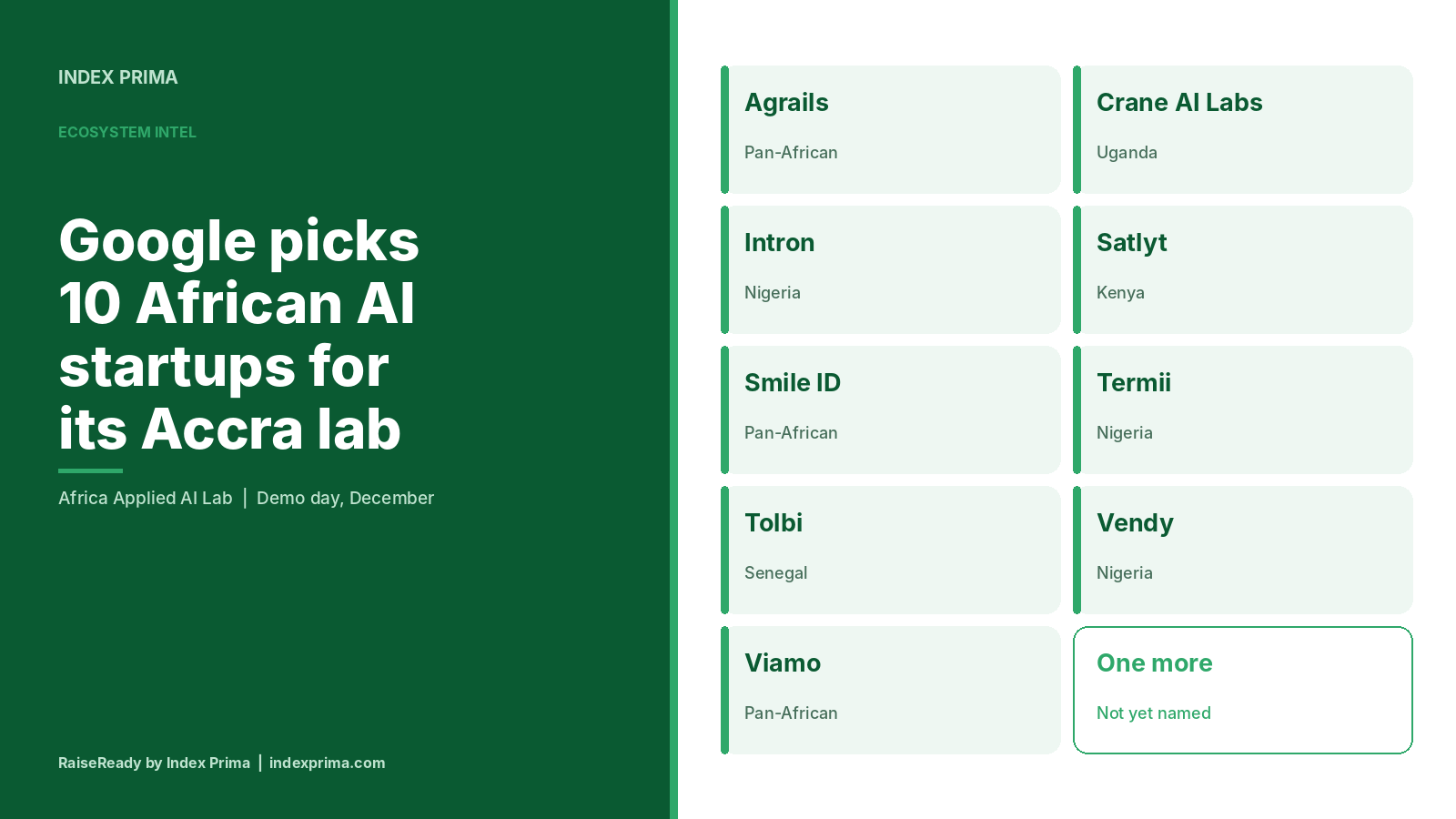
Google has named the first 10 startups in its Africa Applied AI Lab. They get early access to Google’s newest AI models and will show their work at a demo day in Accra in December.
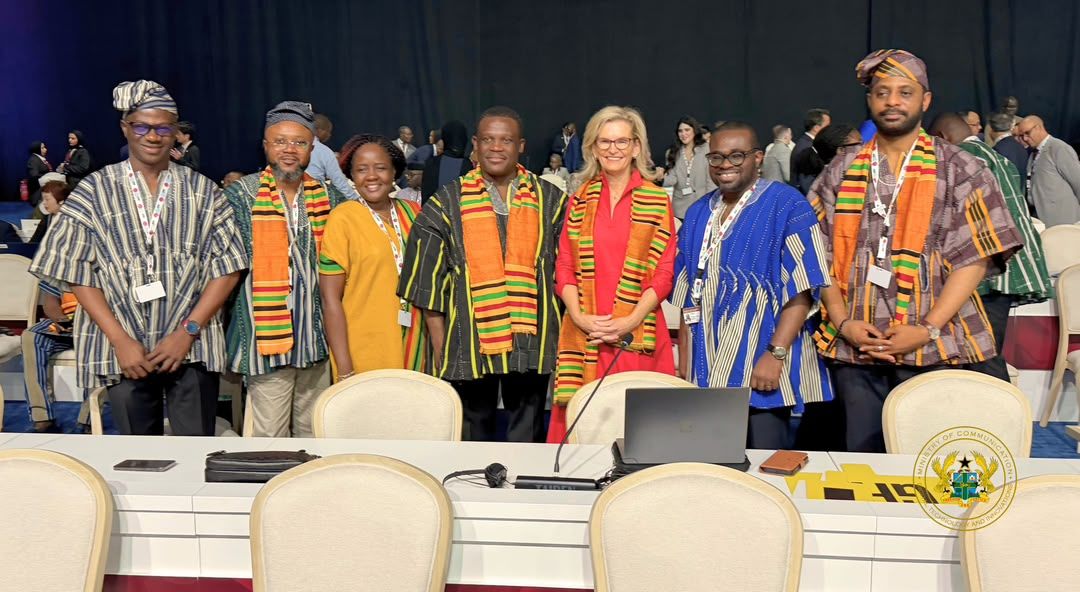
The programme launched on 11 November 2026. It comes from the Google AI Futures Fund and the Accra AI Community Centre in Ghana. The startups come from Nigeria, Kenya, Uganda, Senegal and across the continent, and they work on farming, health, identity checks, payments and satellites. Joining costs no equity, but money from Google or its investor partners is possible, not promised.
Here is the cohort, as reported. Only nine of the ten startups have been named in the reports we reviewed.
| Startup | Base | What it builds |
|---|---|---|
| Agrails. | Pan-African. | AI-powered insurance for farmers, gig workers and small borrowers. |
| Crane AI Labs. | Uganda. | Offline AI tools for health workers and schools on low-cost phones. |
| Intron. | Nigeria. | Speech recognition that understands African accents and mixed-language speech. |
| Satlyt. | Kenya. | Computing on satellites, so data is processed in orbit. |
| Smile ID. | Pan-African. | Face and ID checks that help financial firms sign up customers safely. |
| Termii. | Nigeria. | Customer checks, messaging and alerts for financial firms. |
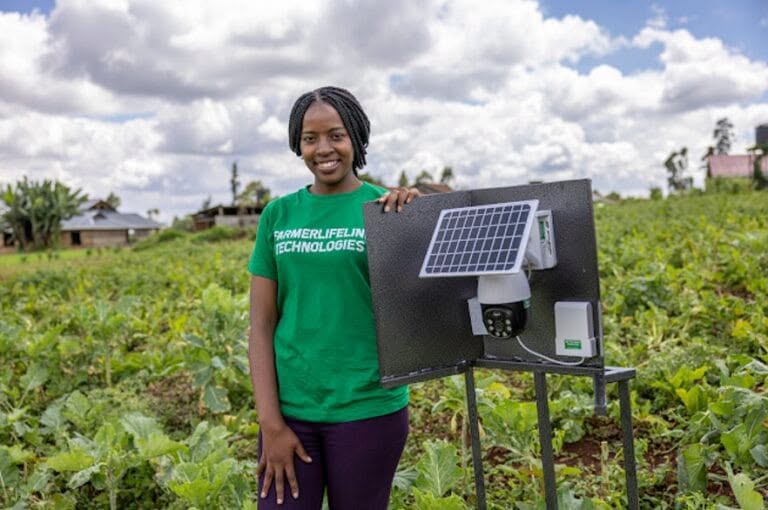
| Tolbi. | Senegal. | Satellite images and voice advice to help small farmers grow more. |
| Vendy. | Nigeria. | Shops and payments that run inside WhatsApp. |
| Viamo. | Pan-African. | Generative AI for people without smartphones, through basic phone calls in local languages. |
What do the startups get? Google says they receive early access to its DeepMind models, including Gemini, Gemma and Veo, before the public does. They also get coaching on technical and sales work from Google teams and partner investors. The investors are 4DX Ventures, Norrsken22, Novastar Ventures and Ventures Platform. Teams must use Google AI in a meaningful way, though they can use other tools too. They must also attend the demo day in person.
The money question is the one to watch. The programme page says some teams “may also be eligible for funding” from the AI Futures Fund or its partners. It also says that teams are not giving up equity or ownership just by taking part. Novastar says it may invest in startups that come out of the programme. No amounts have been given. A programme with no cheque attached is a gift of access, and access is only worth what founders turn it into.
Two of the startups show the range. Satlyt, a Kenyan firm, was founded in 2024 by Rama Afullo, who has worked at Google and SpaceX. The report says it raised an $8 million seed round in October 2026. Its software lets AI models run on satellites already in orbit, so less raw data must be sent back to Earth. The report adds that Satlyt has put Google’s small Gemma 3 1B model on a satellite for tests. In two tests, it says, the data prepared for sending back fell by more than 64%.
Viamo takes the opposite route. It has spent years using voice calls to share information on health, farming and livelihoods with people who have no smartphone. The report says it began to explore offline AI in 2023, so users can ask a question by phone and hear an answer in real time. That matters in places where data is costly and the network is weak.
The lab is open to more than startups. It also takes researchers who want to become founders, and it is meant to stay open to them after the first round ends. Its stated focus areas are the future of work, knowledge, software development, and creativity and entertainment. Applications ran from 1 July to 31 August 2026, and teams worked together from mid-September to early December. Teams did not have to live in Accra for the whole period.
Why it matters: For African AI founders, early access to top models can save months. Many cannot afford heavy computing, and a few have direct lines to the people who build the models. The cohort also leans toward real African needs, from local accents to farms without smartphones. The test is whether access becomes products that customers pay for, and whether Africa’s builders shape the technology, rather than only adopt it.
What to watch next: who the tenth startup is. Watch what the startups show at the December demo day in Accra. Watch whether any of them win funding from the AI Futures Fund or its partners, and for how much. Watch whether the lab opens a second round. And watch how many of these firms turn early model access into paying customers.
Sources: Techtrends Kenya, “Google’s First African AI Lab Cohort Tackles Healthcare, Agriculture, and Digital Access”, 12 November 2026; Google AI Futures Fund, Africa Applied AI Lab; TechCabal on Novastar and the lab; EdTech Innovation Hub on the lab’s application call.
A note for startup founders: Don’t practice on investors. Practice on AI first. RaiseReady by Index Prima is an AI fundraising simulator for African founders: upload your pitch deck, get a readiness score and face a tough AI investor before the real meeting. Find this post, and every post we publish, at raiseready.indexprima.com.