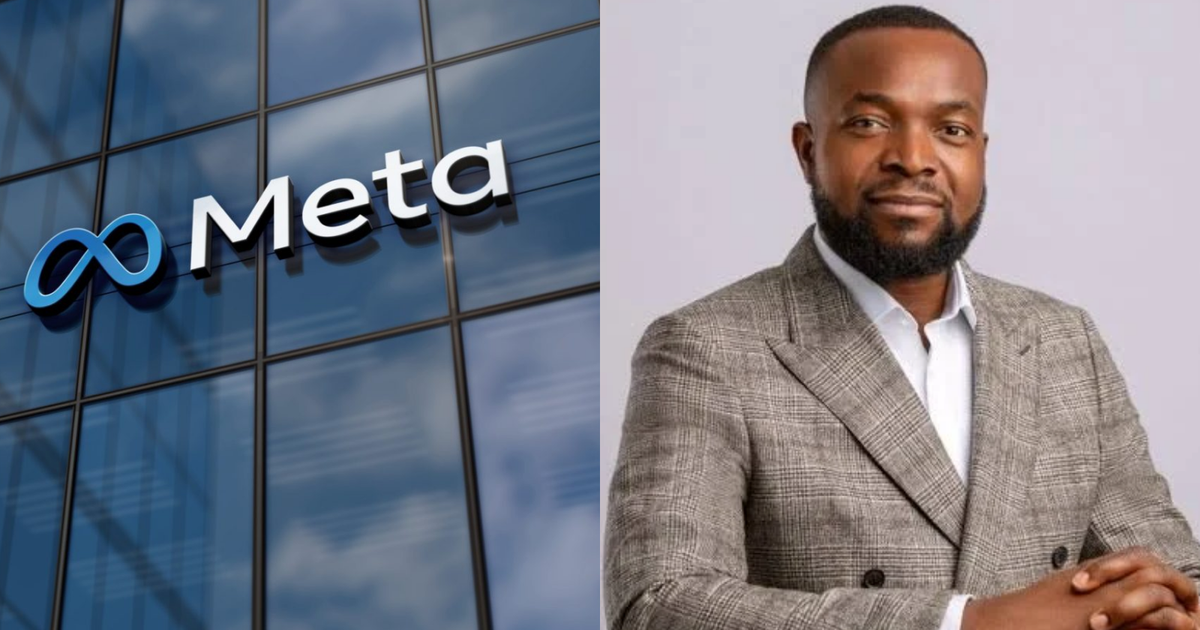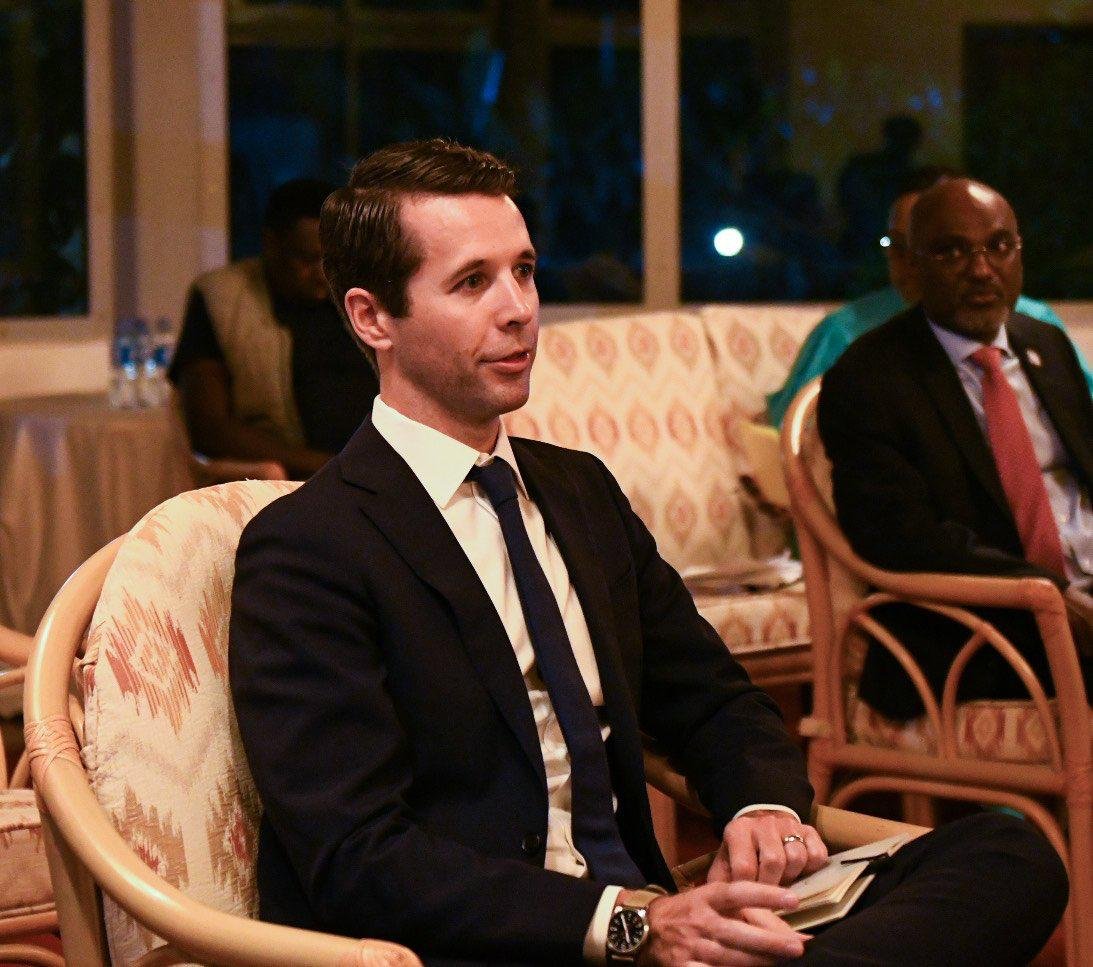
Terra Industries has appointed Ben MacWilliams, formerly SpaceX’s Director of Starlink Market Access, as its new Vice President of Strategy. The Nigerian defence technology company, fresh off closing Africa’s largest ever seed round at 52 million dollars, is bringing on someone whose entire career has been built around getting governments to say yes quickly, a skill set that maps directly onto Terra’s ambitions to deploy autonomous defence systems across the Global South.
MacWilliams’ résumé at SpaceX is genuinely striking in scope. As Director of Starlink Market Access, he oversaw the satellite service’s regulatory and commercial expansion across all 54 African countries, personally helping launch Starlink in more than 20 of them through direct engagement with presidents, telecom regulators, and government ministers. Before taking on the African portfolio, he led the same kind of market access work across the Middle East and Central Eurasia, where he secured the first low Earth orbit broadband operating licences in both regions. At Terra, he will lead market access and government strategy as the company works to deploy what it calls sovereign defence systems in new markets, essentially the same function he performed at SpaceX, now applied to defence infrastructure instead of satellite internet.
It’s worth being clear eyed about what that track record actually involved, given the nature of the role Terra just hired him for. MacWilliams built Starlink’s African expansion at a genuinely remarkable pace, but that speed drew real scrutiny along the way. ProPublica and The New Republic both reported in 2025 that MacWilliams was involved in a contentious meeting with Gambian officials during a period when the US State Department was pressing the country to approve Starlink’s licence application, with MacWilliams reportedly pressing Gambia’s communications ministry directly over delays. Separate reporting on Starlink’s approach in Botswana described a pattern of going straight to heads of state to fast track licensing decisions that regulators had been slower to approve through ordinary channels. None of that makes MacWilliams uniquely effective or uniquely aggressive by the standards of how fast moving infrastructure companies often operate in emerging markets, but it is directly relevant context for a company that has explicitly hired him to replicate that same government facing playbook, this time for autonomous defence technology rather than internet access.
That context matters more for Terra than it might for an ordinary corporate hire, precisely because of what the company builds. Terra’s pitch to governments is that it can supply affordable, locally deployable autonomous security systems, drones, sentry towers, and unmanned ground vehicles, to protect infrastructure that international defence suppliers were never built to cover. Getting that pitch in front of the right minister or head of state quickly, and getting a yes before a competitor gets there first, is exactly the kind of advantage MacWilliams demonstrated he could deliver at Starlink. Whether Terra’s version of that playbook draws the same kind of scrutiny Starlink’s did will depend a great deal on how it’s actually run in practice, but the company is clearly betting that the upside of moving fast outweighs the risk of moving too aggressively.
For a startup that just closed the largest seed round in African tech history and is actively courting governments across the Global South for defence contracts, hiring someone with MacWilliams’ specific combination of diplomatic access and demonstrated urgency is a deliberate signal about how Terra intends to grow from here. The company built its funding story on manufacturing scale and real contracts already in hand. MacWilliams’ hire suggests the next phase of growth will be won or lost in government offices as much as on factory floors.